

Updated: May 31st, 2026
- Unrestricted sun exposure has ample health benefits – including weight loss!
- Commercial sunscreens contain chemicals that disrupt hormones; hormonal imbalance can lead to serious health problems and weight gain.
- Marketing tactics can make sunscreens sound better than they are; despite the claims, higher SPF content doesn’t necessarily mean better protection.
- Spray sunscreens lead to inconsistent coverage – and inhaling dangerous chemicals.
- Sun protection is still important – but giving yourself a little time in direct sunlight is too!
- Try my strategies for staying outside without overexposing yourself to the sun.
“I can’t believe how beautiful it’s been. The sun has finally come out, and I am loving every minute of it!” That’s what my friend Donna said when I saw her this week. And I agree; one of the best things about spring in Maine is that we finally get to see the sun more regularly.
It was a long, cold winter here in Maine, with a lot of snow and far too many grey days. And although we’re still seeing some rain, we also have days of bright sunshine. When that happens, one of my favorite things to do is to stand outside with my eyes closed, the warm rays of the sun bathing me in warmth. So many people I talk to are shocked when I tell them that I don’t always use sunscreen when I’m enjoying these bright moments.
But there’s a lot of great reasons to skip sunscreen – if only for a little bit of time every day. There are so many sun benefits that people simply don’t know about — but they should!
Back when I was a child, growing up in Australia, I spent so much time outside in the sun without ever thinking about sunscreen or wearing a hat to protect my face. I did put zinc oxide on my nose, but only because I disliked the constant peeling skin – not because I knew the dangers of too much sun exposure. Because I know more now, I do wear a sunhat to protect the delicate skin on my face. But, as I said, I don’t always load my arms and legs up with sunscreen.
People hear so much about the dangers of sun exposure that they’re surprised that I sometimes recommend going without sunscreen. And with so much conflicting information out there, it’s hard to know what is the real cause for concern!
Learn how much is too much – or not enough!
What I like to tell my clients is that, like with most of my recommendations, moderation is key. The sun is not the enemy, and there are many good reasons to allow the sun to hit your bare skin before you slather on a protective layer. But you do need to know when enough is enough to avoid major health issues like skin cancer and oxidative stress.
We’ve heard so much about the risks of unprotected sun exposure that we’re robbing ourselves of the sun benefits. And on top of that, sunscreen might not be the best option for protection anyway! In fact, sunscreen might actually do more damage to your health than the sun itself!
That’s especially true if you’re using the conventional products so prevalent in the marketplace. Just like with the food you eat, it pays to read labels to find out what’s in that cream your skin is absorbing. I think it’s time to shine more light on the topic! Following are five great reasons to think twice before applying sunscreen this summer.
Direct sunlight is the best way to get vitamin D naturally
I have a lot to say about vitamin D, but there are plenty of articles you can read in the health library, so I won’t dwell on it too much here. But if you haven’t already heard this, you should know that this powerful vitamin is critical to bone and immune health. It’s also been shown to reduce risk of some types of cancer, as well as relieve depression and anxiety. And it also helps with weight management if you have adequate levels of vitamin D!
A 2022 analysis of data from 2001 to 2018 from the US National Health and Nutrition Examination Survey showed that 65 % of participants were deficient in vitamin D. This has been rising steadily from decades past, and I’d say it’s likely that an even higher percentage of people don’t have enough vitamin D to garner all the benefits they could.
So how does the sun factor in? Vitamin D production is one of the biggest benefits of sun exposure! The UVB rays from the sun are what spurs natural production of vitamin D in your body. While some food also contains vitamin D (like fatty fish) you simply can’t get what your body needs by eating. One of the best ways to boost your vitamin D is to spend 20 minutes a day letting the sun hit bare skin.
And something amazing that most people don’t understand is that vitamin D helps with weight loss naturally! It slows the creation of fat cells, increases peptide YY, which helps suppress appetite; boosts metabolism to burn more energy even as you rest; and supports hormonal health (and you’ve all heard me talk frequently about how healthy hormones impact weight loss).
Commercial sunscreens often contain chemicals and additives that are worse than sun exposure
I tell my clients to read food labels closely, and I say the same about any commercial products that will be absorbed into their skin. Because it is applied frequently and liberally over most of your body, it’s even more important to ask yourself “Is sunscreen safe?”
The Environmental Working Group has some great information about the chemicals in sunscreen, and why they should be avoided. Many of the active ingredients in sunscreens are chemical filters, which are absorbed into your skin, ingested when applied to lips, and in the case of spray sunscreens, inhaled, settling in your lungs.
Studies have shown that some chemical filters can mimic hormones. The Food and Drug Administration has never reviewed evidence of potential hazards of these chemical filters, even after it began considering sunscreen safety. Instead, these harsh ingredients were grandfathered in and continue to be allowed today.
But there’s good news; While less than a decade ago, oxybenzone showed up in 65% of non-mineral products reviewed by the EWG. In their 2026 guide, this has dropped to just 5%! People are finally noticing how harmful this chemical is!
But that’s not the only chemical to consider. The EWG has a great chart outlining the toxicity of the most common active ingredients that’s well worth a look. And don’t forget to pay attention to the inactive ingredients as well, which typically make up more than half of the product.
The most concerning inactive ingredient is the preservative methylisothiazolinone. In 2013, the American Contact Dermatitis Society named it the “allergen of the year.” And although its use has declined it still shows up on sunscreen labels.
When you absorb these chemicals into your body, they can cause hormonal dysregulation – and that can lead to a range of health issues. Hormonal imbalance can make your body hang on to unwanted weight, so if weight loss is your goal, avoiding anything that can negatively impact your hormones is important.
Don’t be fooled by marketing — little evidence exists to back up the claim that sunscreen alone can prevent skin cancer
Marketing is all about selling products, and the multi-billion dollar sunscreen industry does plenty of marketing. But despite the claims they make about protection from skin cancer, even as sunscreen usage skyrockets, melanoma rates have also continued to rise over the past several decades.
And some researchers have found little evidence that daily use of sunscreen alone protects against skin cancer.
There is a possibility, though, that using sunscreen might increase the risk of developing melanoma. Are you confused by that? Let me explain. Most sunscreens block out the shorter UVB rays, preventing sunburn, the visible, painful evidence many people rely on to determine when they’ve had too much sun. The problem is the false sense of security that comes from not burning. Meanwhile, the longer UVA rays are penetrating deep into your skin.
And remember how vitamin D is one of the best benefits of sun exposure? When you consider that vitamin D is produced by those UVB rays that you’re blocking out, and vitamin D has been shown to actually protect against cancer, you might realize you’re blocking some of the top sun benefits.
Sunscreens aren’t always what they seem.
Wouldn’t it be great if companies didn’t make claims they couldn’t back up? Unfortunately, that’s rarely how marketing and advertising work. If you judge protection solely by the labels on some sunscreens, you could be sorely underestimating your exposure. Many misleading claims give consumers a false sense of security, and may cause people to stay in the sun far too long.
Despite common thinking, an SPF higher than 50 simply doesn’t offer any further protection – so I’m not sure why they exist at all.
And, as I mentioned earlier, many sunscreens protect only against UVB rays, offering little in the way of protection against UVA rays and other skin damage.
If you’re using a spray sunscreen, you’re probably missing spots – and inhaling chemicals
People seem to love sunscreen sprays, particularly on squirming children. But these are particularly risky to use for a couple of reasons. First, spraying chemicals into the air is just a bad idea. If you breathe these chemicals in, there is potential for lung irritation as well as absorption into the bloodstream.
It’s tough to get a spray evenly distributed, so you probably aren’t as well protected as you think. Common issues with sprays include applying a too-thin layer of protection, and missing spots altogether – especially those hard to reach places. As if those aren’t enough issues, there have also been a very few cases of spray sunscreens, which often contain alcohol, catching fire causing serious burns. Though the risk of this happening is very small, it should still give you pause. There are much safer options available!
Sun protection is still important
Have I convinced you to rethink your automatic assumptions about sunscreen? I hope I’ve given you some new perspective about the benefits of sun exposure. But I don’t want you to think that I am suggesting no protection at all. You should always avoid sunburn, and too much of a good thing (sun) can cause as much damage as not getting enough.
The key is to be mindful of your choices. Know what your options are for protecting yourself from sun damage. Instead of simply defaulting to the sunscreen you’ve always used, try these tips.
Be aware of how much exposure you get; always avoid burning
Direct skin exposure to sunlight is important, but you need to be conscious of the sun’s strength and how long you’ve spent outside unprotected. The benefits of sun exposure don’t always outweigh the dangers. Too much time in the sun can cause oxidative stress.
Head outside in the early morning or late afternoon, to avoid the strongest UV rays. The hours between 10 a.m and 4 p.m. are when the sun is at its strongest – and most dangerous.
If you’re outside for hours in the direct sunlight, I do think it’s wise to protect yourself with sunscreen. Just know what is in it – and what it protects against. Choose a mineral based, broad spectrum sunscreen. I recommend checking the EWG database for the best options.
Take cover
I’m all for spending a whole day outside. Connecting with nature and getting plenty of fresh air are so good for your health. But being outside doesn’t have to mean staying in the direct sun the entire time. You can get the benefits of sun exposure directly on your skin in just twenty minutes per day. So if you are outside for a long stretch of time, enjoy those twenty minutes then seek out natural shade beneath tree cover, or bring a beach umbrella for a day at the shore. Cover up with lightweight clothing, and wear a wide-brimmed hat and sunglasses.
Protect your skin with nutritious foods
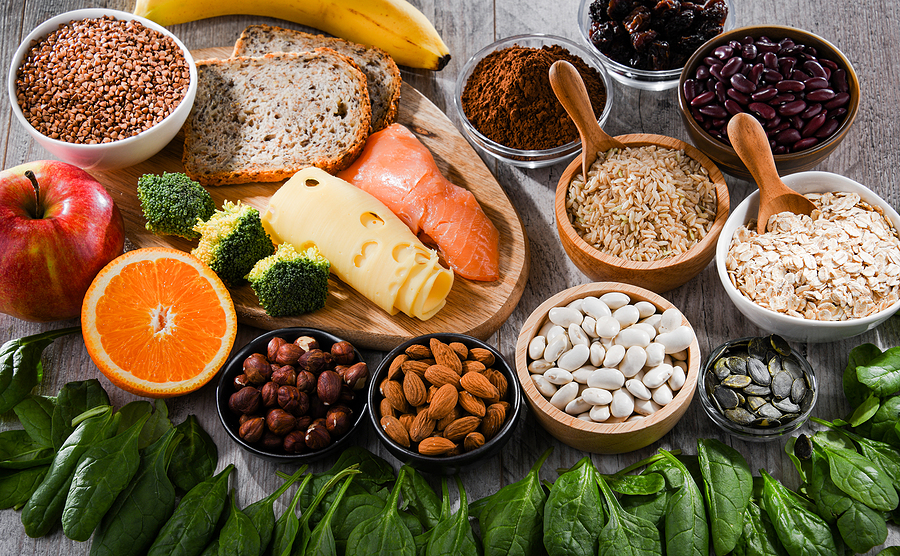
Good nutrition is often our best way to great health. The American Cancer Society asserts that oxidative damage can increase the risk of cancer. Foods that provide protection for your skin include: Omega-3 fatty acids, like salmon and fish oil; resveratrol, found in red wine, blueberries and red grapes; catechins found in green and white tea; vitamin E, and beta-carotene. Salmon and other foods that contain astaxanthin are particularly good choices, as research has found this fat-soluble carotenoid absorbs UVB and helps reduce DNA damage.
Supplement for best protection
Because it’s so tough to get all the nutrients you need from food, adding a high-quality multivitamin to your daily routine is something I always recommend. To combat vitamin D deficiency, take a daily vitamin D supplement. And a fish oil supplement can ensure you get enough Omega-3s to keep your body thriving.
Get out and enjoy the benefits of sun exposure – the safest way possible!
After a long, dreary winter there’s no reason to stay cooped up inside – or to pile on harmful products. Do some research to be sure you are choosing the most appropriate product for your own situation. When you feel good about how you protect yourself, you can have your best — and healthiest — summer yet!